

Finding weekend activities for kids becomes easier when the activity has a clear goal. Instead of starting with a pile of materials and wondering what to make, a structured DIY project gives young builders a scene to assemble, details to arrange, and a finished piece they can display afterward.
This guide focuses on eight hands-on projects from Book Nook World. Some are shorter beginner builds, while others require more time and patience. Because every child has a different level of experience, an adult should check the difficulty, build time, piece count, and product guidance before choosing. Adult help may also be needed for small parts, adhesive, lighting components, or more detailed assembly.
Start with a Short Miniature Project
A shorter project can be a helpful introduction for a child who has not assembled a miniature before. It offers the satisfaction of completing a full scene without committing the entire weekend to one build. The important thing is still to review the individual product information and decide how much adult support will be available.
1. Kyoto Matcha Cottage for a Quick Shop Build
The Kyoto Matcha Cottage DIY Miniature Kit recreates a small Japanese tea shop inspired by Kyoto's traditional wooden townhouses. Its tiny counter, tea canisters, calligraphy, matcha machine, and playful ice-cream display give children plenty of details to discover as the shop comes together.
This is listed as a beginner project with 128 pieces and an estimated build time of 0.5 to 1 hour. That makes it one of the more approachable options for a short creative session. A parent can help prepare the workspace and guide any steps that need extra care, while the child follows the illustrated sequence and watches the storefront take shape.

2. Morning Mist Café for a Cozy Weekend Activity
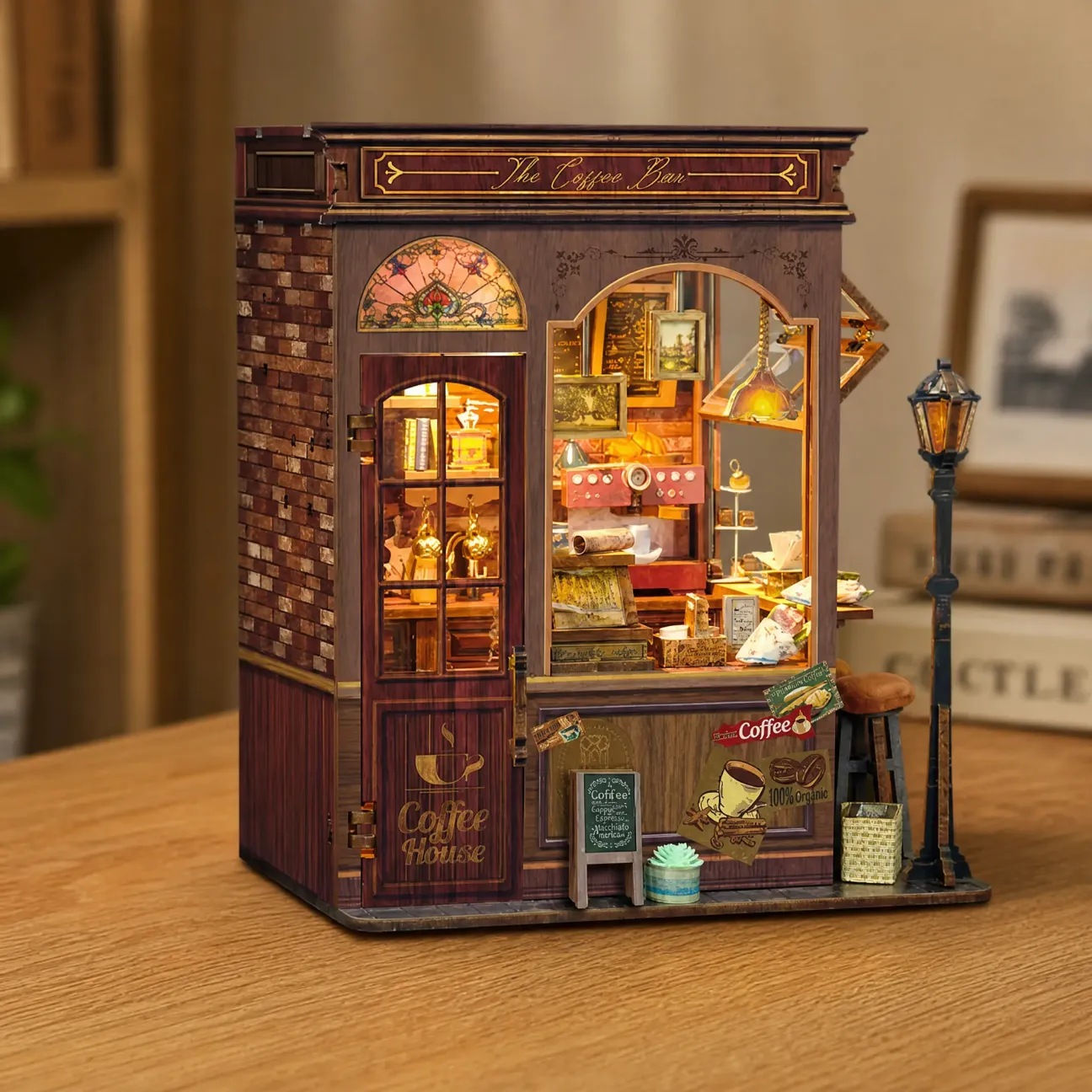
Children who enjoy cafés and miniature interiors may prefer the Morning Mist Café DIY Book Nook Kit. The completed scene includes a café counter, menu board, tiny cups, decorations, and a sliding window, creating a small coffee-shop setting for a bookshelf or desk.
Morning Mist Café is listed as beginner difficulty with 150 pieces and an estimated build time of 2 to 3 hours. It can work as a single-afternoon activity or be divided into shorter stages. Building the main structure first and saving the smallest decorative details for the end can make the process easier to follow.
Choose a Book-Themed Project for Young Readers
A book-themed scene connects crafting with a setting children already recognize. Instead of creating a random object, they build a miniature place filled with shelves, furniture and reading details. Once finished, the project can become part of the bookshelf where their own books are kept.
3. Owl Bookstore for a Miniature Bookshop
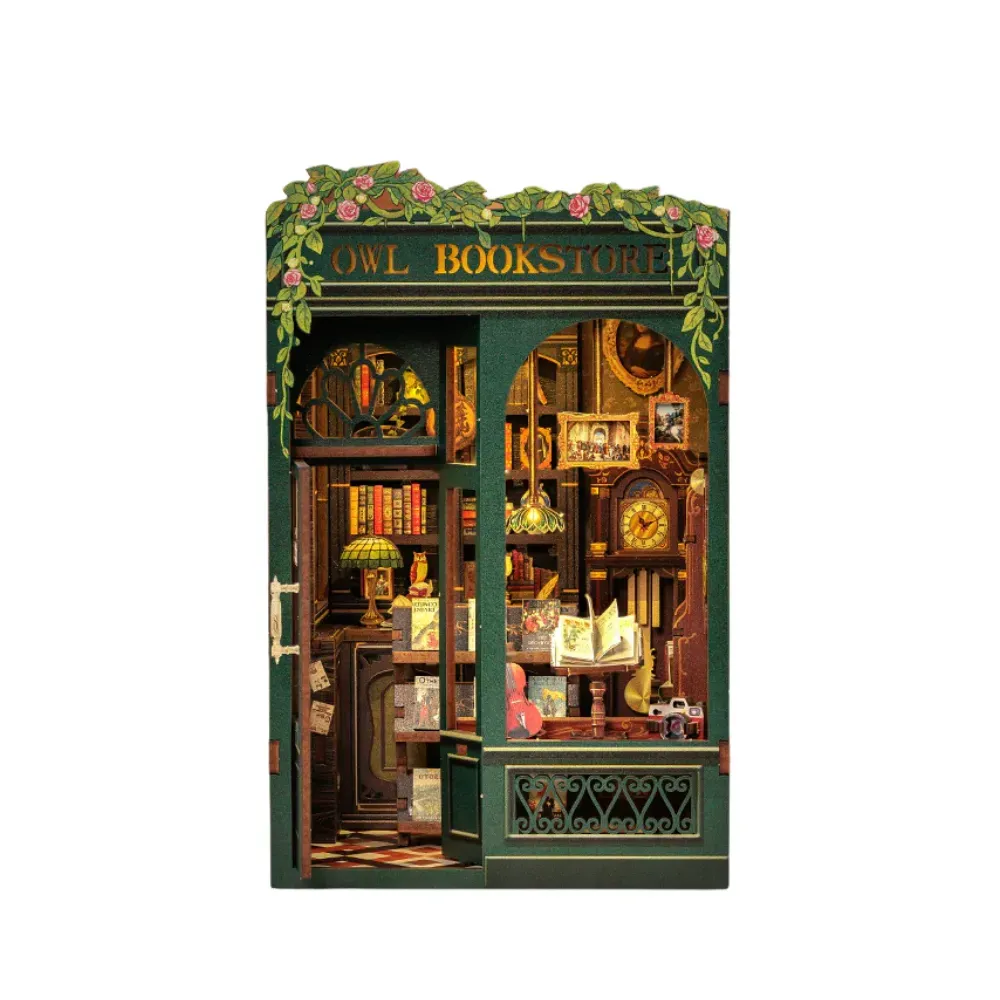
The Owl Bookstore DIY Book Nook Kit creates an old-world bookstore with a deep green storefront, packed bookshelves, artwork, clocks, vintage furniture and warm lighting. Its recognizable bookshop theme can make the assembly process especially appealing to children who enjoy reading and detailed rooms.
Owl Bookstore is listed as a beginner project with 88 pieces and an estimated build time of 2 to 4 hours. The product also includes a dust cover, which helps protect the small details after the finished scene is placed on a shelf. An adult should still review the instructions and help whenever a step involves small components or adhesive.
4. Count Cat's Study for a Character-Filled Library
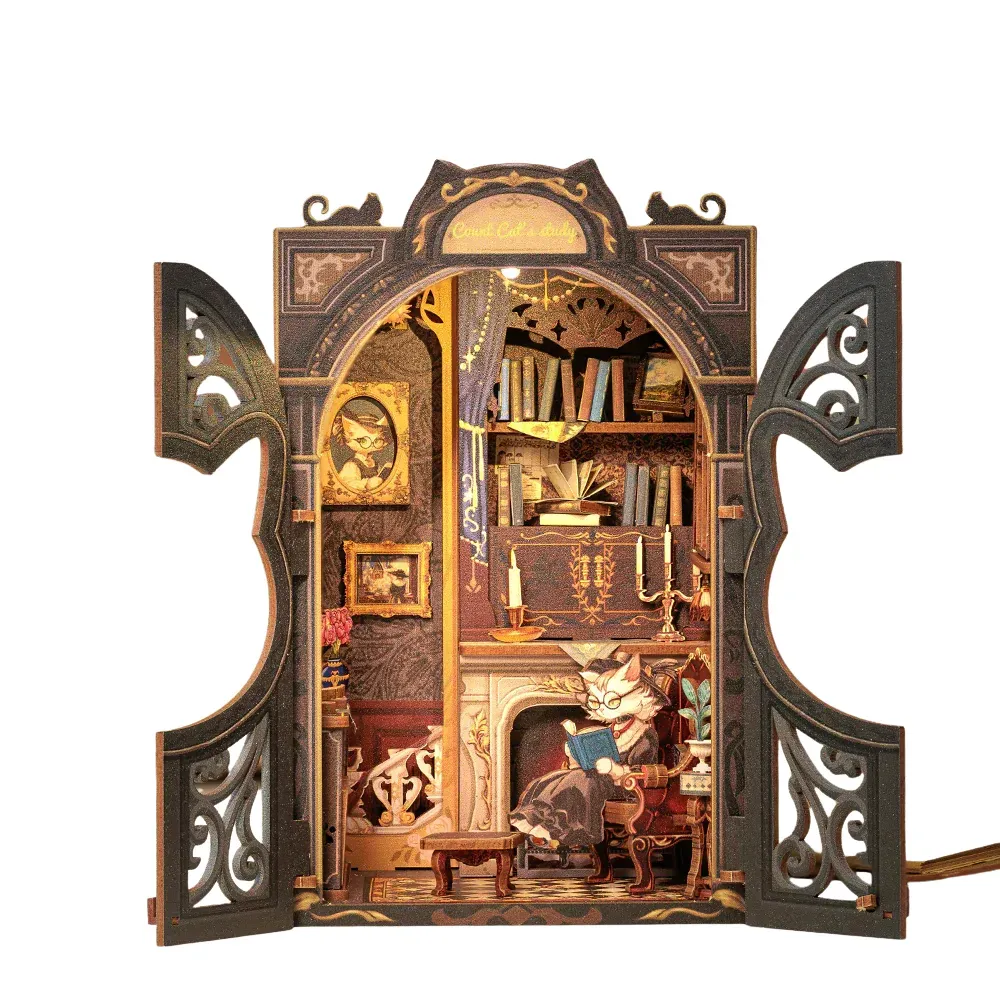
For a more playful reading scene, the Count Cat's Study DIY Book Nook Kit combines an elegant miniature library with a cat-shaped entrance, bookshelves, vintage furniture, and cozy reading corners. The openable front door and touch-activated lighting add interactive details to the finished display.
Count Cat's Study is listed as beginner difficulty with 121 pieces and an estimated build time of 2 to 4 hours. It may suit a child who enjoys books but wants a scene with a stronger character theme. The project can also become a shared reading-space decoration once the building is complete.
Build a Fantasy Scene with Magical Details
Fantasy projects can turn a craft session into a storytelling activity. Children can imagine who uses the miniature room, what happens inside it, and what other places might exist beyond the scene. The building process provides the structure, while the setting gives them room to invent their own story.
5. Magic Wand Store for Young Fantasy Fans
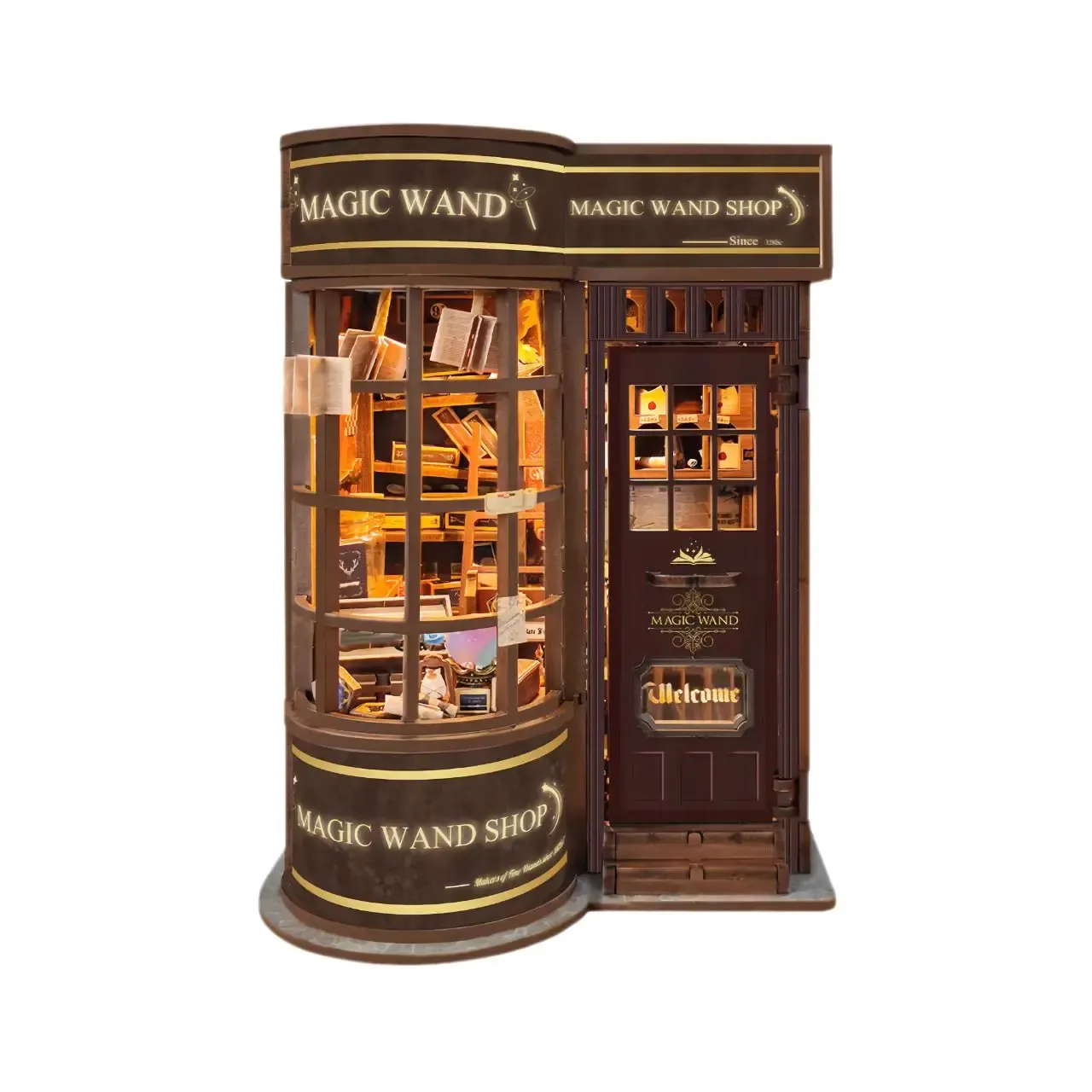
The Magic Wand Store DIY Book Nook Kit creates a miniature wizard's shop with red brick walls, shelves of wands, glowing potions, and spellbooks. When finished, it becomes a warm illuminated storefront that can sit between books.
This product is listed as beginner difficulty with 208 pieces and an estimated build time of 2 to 4 hours. With more pieces than several other beginner projects in this guide, it may suit a child who enjoys spending time arranging smaller details. A parent can help organize the parts by stage so the workspace remains manageable.
Families who want to compare other imaginative settings can also browse the Fantasy and Magic collection. Check each product separately because the difficulty and assembly requirements vary across the collection.
Make a Nature-Inspired Bookshelf Display
Not every creative project needs a busy shop or fantasy setting. A garden scene offers a quieter theme built around natural textures, small architectural details, and warm lighting. It can be a good choice for children who enjoy plants, gardens, and peaceful miniature spaces.
6. Moss-Lantern Harmony Garden for a Peaceful Build
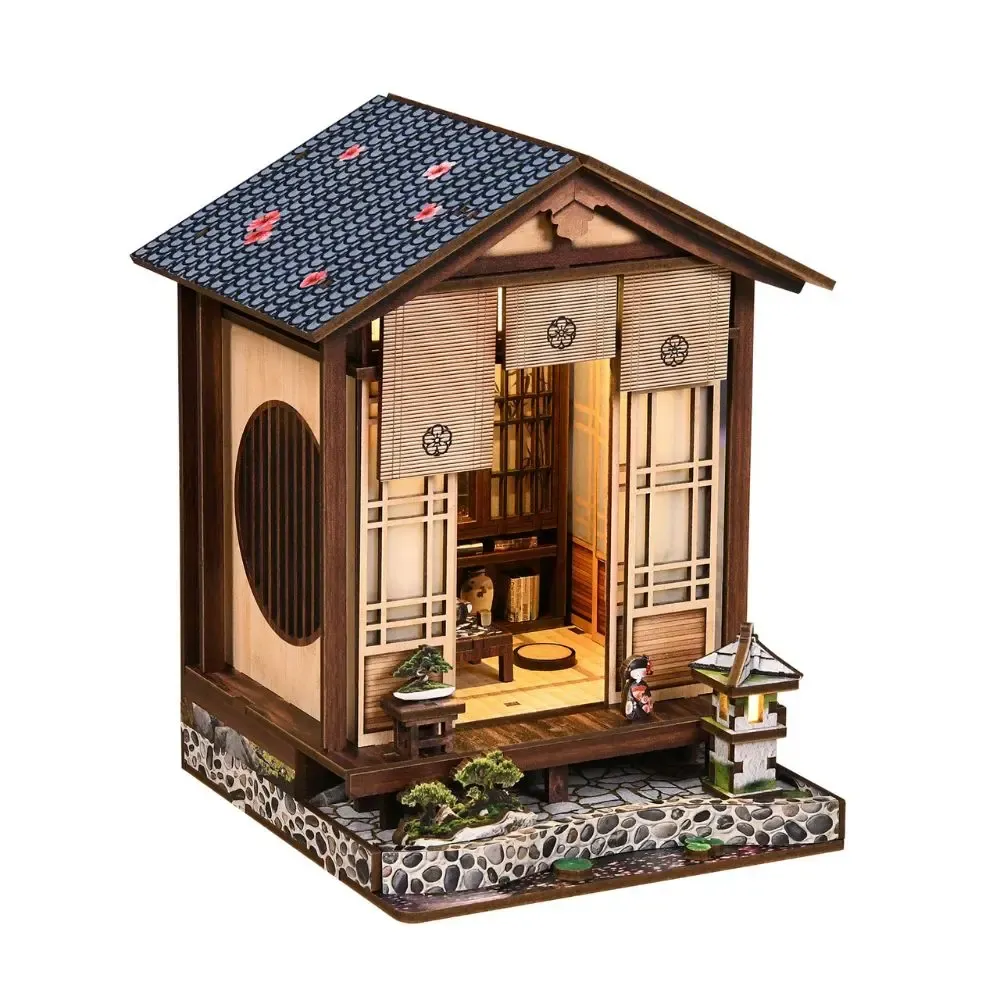
The Moss-Lantern Harmony Garden DIY Book Nook Kit is inspired by Japanese tea houses and Zen gardens. The scene combines shoji-style architecture, moss-covered stones, bonsai details, and a softly glowing lantern to create a small garden retreat.
Moss-Lantern Harmony Garden is listed as a beginner project with 152 pieces and an estimated build time of 2 to 3 hours. The garden layout gives builders a different experience from arranging a shop interior. It is still important for an adult to check the instructions and product guidance before beginning.
More landscape-focused projects can be found in the Garden collection. Use the collection for inspiration, then compare the specific difficulty and build information on the product under consideration.
Try a Longer Shop-Building Challenge
A longer project can become the main activity for the weekend rather than something completed in one sitting. Breaking the build into stages helps maintain a sense of progress: structure first, shelves and fixtures next, then signs, products, and finishing details.
7. Kasuga Grocery Store for More Experienced Builders
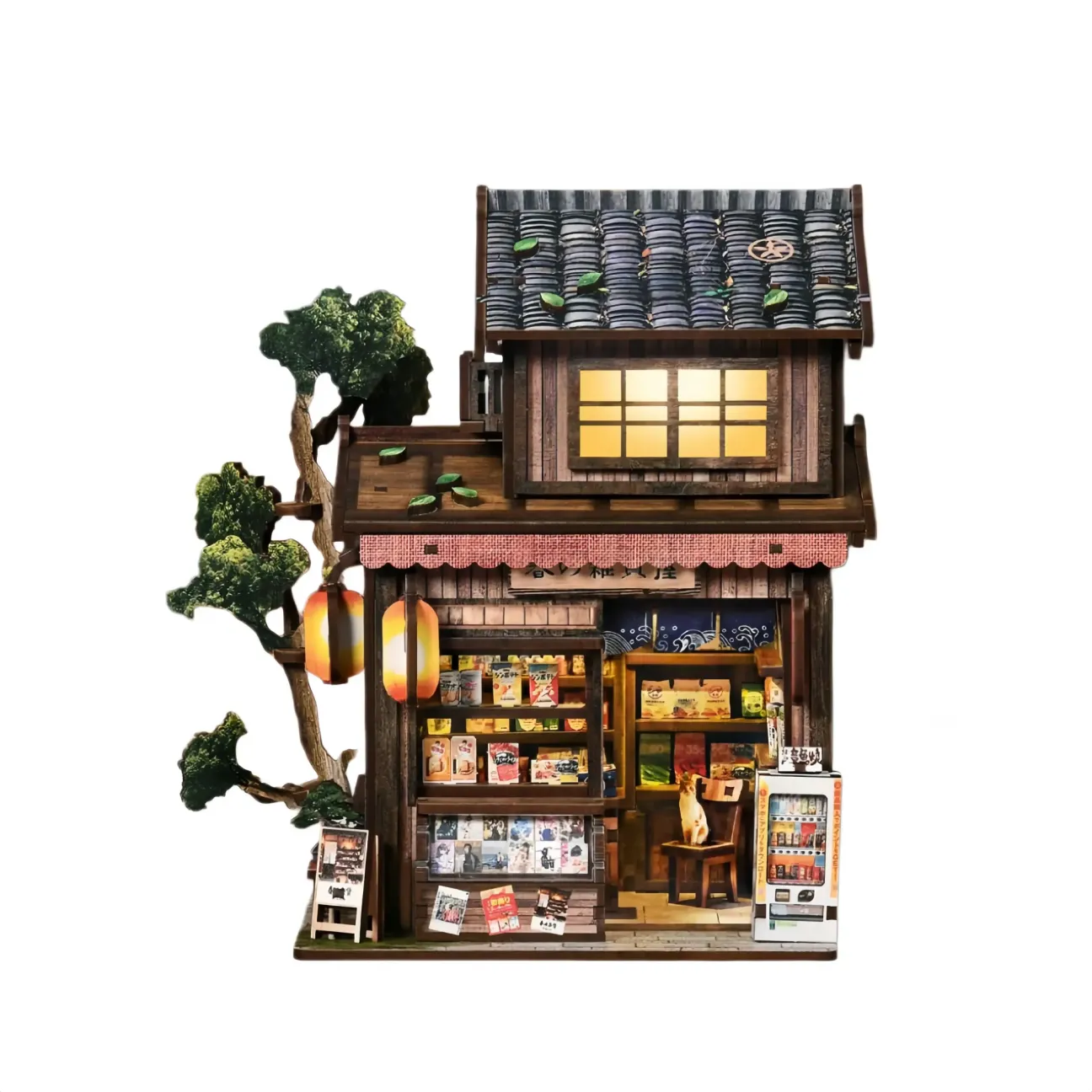
The Kasuga Grocery Store DIY Mini Book Nook Kit recreates a Japanese neighborhood shop with stocked shelves, miniature drinks and snacks, a vending machine, lanterns, a magazine rack and a detailed wooden storefront.
Kasuga Grocery Store is listed as intermediate difficulty with 209 pieces and an estimated build time of 4 to 6 hours. Compared with the shorter beginner projects above, it calls for a longer session and more sustained attention. It may be better treated as a parent-child weekend project or divided across two days.
Children who like miniature shops can compare this project with the smaller Kyoto Matcha Cottage or browse the full DIY miniature kit collection. The best choice depends on the builder's experience and the amount of time available.
Create a Reading-Corner Display Together
A story frame is a useful alternative when the family wants a project that can be displayed in more than one way. Its wider scene can sit with books, stand on a desk, or become part of a reading corner after assembly.
8. Fireplace Story Frame for a Cozy Family Project
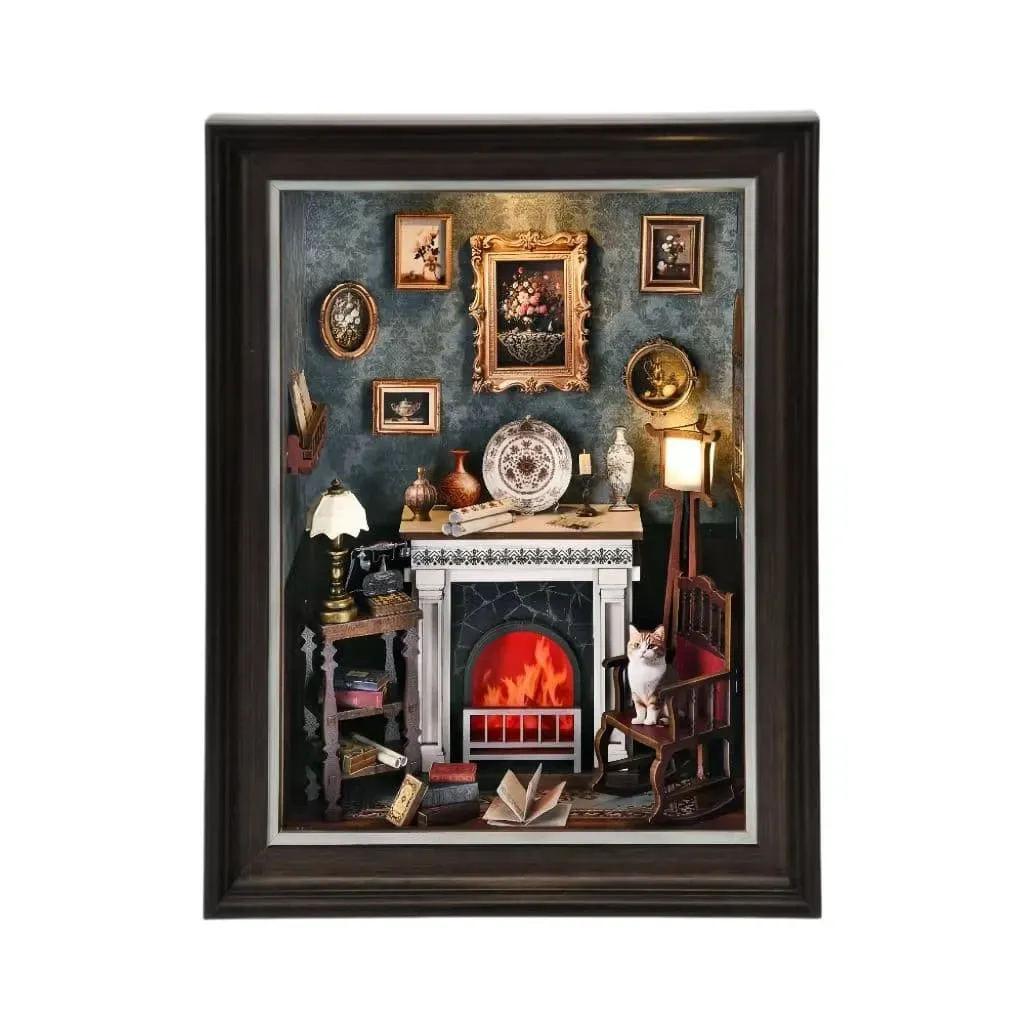
The Fireplace Story Frame Kit creates a vintage reading room with a glowing fireplace, classic furniture, framed artwork, stacked books, and a cat companion. The warm interior gives the finished project the appearance of a small reading retreat.
The Fireplace Story Frame is listed as beginner difficulty with 150 pieces and an estimated build time of 2 to 4 hours. It can be completed as a shared family activity, with an adult handling more delicate steps and the child helping arrange the visible room details.
You can compare this format with the other projects in the Story Frame collection. Review the dimensions and display style as well as the difficulty so you know where the finished project will go.
How to Choose the Right Creative Weekend Project
Start with the child's interests, then narrow the options using the information on each product page. A child who loves books may be drawn to Owl Bookstore or Count Cat's Study. A fantasy fan may prefer Magic Wand Store, while someone interested in Japanese shops and gardens may enjoy Kyoto Matcha Cottage, Kasuga Grocery Store, or Moss-Lantern Harmony Garden.
Next, compare the difficulty and estimated build time. Kyoto Matcha Cottage is the shortest project in this guide, while Kasuga Grocery Store is the only featured intermediate build and requires a longer time commitment. The other projects fall between those two points, but completion time can still vary depending on experience and the amount of adult help.
Finally, decide where the finished scene will be displayed. Book nooks are designed for bookshelves, while miniature houses and story frames can also work well on a desk or in a reading corner. The wider Gifts for Kids collection brings these different formats together for comparison.
Frequently Asked Questions About Weekend Craft Projects for Kids
Which project is the shortest in this guide?
Kyoto Matcha Cottage has the shortest listed build time at approximately 0.5 to 1 hour. Actual completion time can vary, so review the product details and allow additional time when a child is completing the project with adult help.
Which featured project offers a longer challenge?
Kasuga Grocery Store is listed as an intermediate project with an estimated build time of 4 to 6 hours. It can be divided across multiple sessions if the builder would prefer not to complete it in one day.
Are all the projects suitable for the same age?
No. Difficulty alone does not determine whether a kit is appropriate for a particular child. Review the individual product guidance and consider the child's experience, patience, and ability to work with small parts. Adult supervision or direct assistance may be needed.
Can a parent and child build these projects together?
Yes. A parent can organize the pieces, explain the next stage, and assist with delicate assembly while allowing the child to remain involved in the visible building and decorating decisions.
Do the kits include every tool and material needed?
Included components vary by product. Check the individual product page before starting to confirm what is supplied and whether adhesive, batteries, or additional tools need to be obtained separately.
Want more book nook ideas? Follow us for build guides, gift inspiration, and new kit drops on our Substack | WordPress | Medium | Tumblr | Ideal House | Linktree