

Finding creative family bonding activities that genuinely involve everyone can be difficult. Movie nights are easy to organize, but they do not always encourage conversation, cooperation, or creativity. A family build night offers something different: one shared project, several useful roles, and a finished creation that everyone helped make.
Instead of preparing a long list of separate activities, choose one project your family can complete together. A DIY book nook, miniature house, story frame, or wooden model can turn an ordinary evening into focused creative family time.
This guide explains how to choose a suitable project, divide the work fairly, and turn a single DIY kit into one of your family's favorite screen-free activities.
A Different Kind of Creative Family Bonding Activity
Many family bonding activities place everyone in the same room without giving them a reason to cooperate. During a build night, each person contributes to a shared result. One person can organize the pieces, another can follow the instructions, and someone else can handle small decorative details.
The goal is not to finish as quickly as possible. The value comes from making decisions, solving small problems, and watching the project take shape together. That makes a build night one of the more purposeful family activities at home, especially when you want everyone to participate rather than watch from the side.
It can also be adapted for different households. A parent-child activity might involve two people sharing the main assembly steps. A larger family can create several rotating roles. A multi-generational activity can give younger, older, and more experienced builders different responsibilities according to their comfort levels.
Choose One Project Everyone Can Help Build
The right project is important. It should be interesting enough to hold attention, but not so complicated that only one person can participate. Consider the number of pieces, estimated building time, difficulty level, and the type of details involved.
Before choosing, think about who will join the build night. Younger helpers may enjoy sorting pieces or choosing decorative placements, while experienced builders can manage delicate assembly and lighting components. Always follow the product instructions and provide adult supervision where required.
Book Nook Kits for Story-Loving Families
A book nook can be a good choice for families who enjoy stories, imaginative settings, and detailed displays. The project can be divided into sections, making it easier for several people to contribute without crowding the same small area.
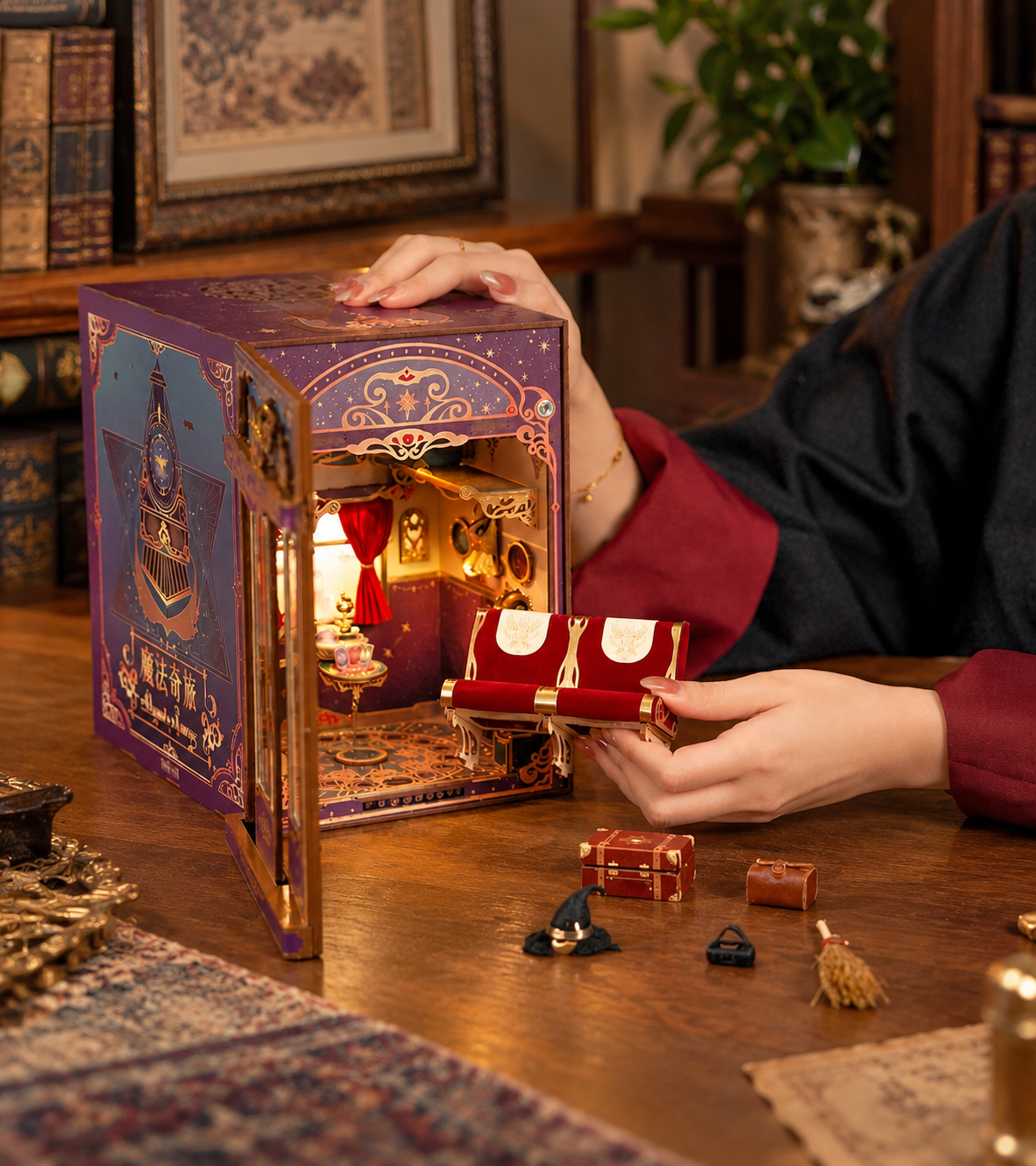
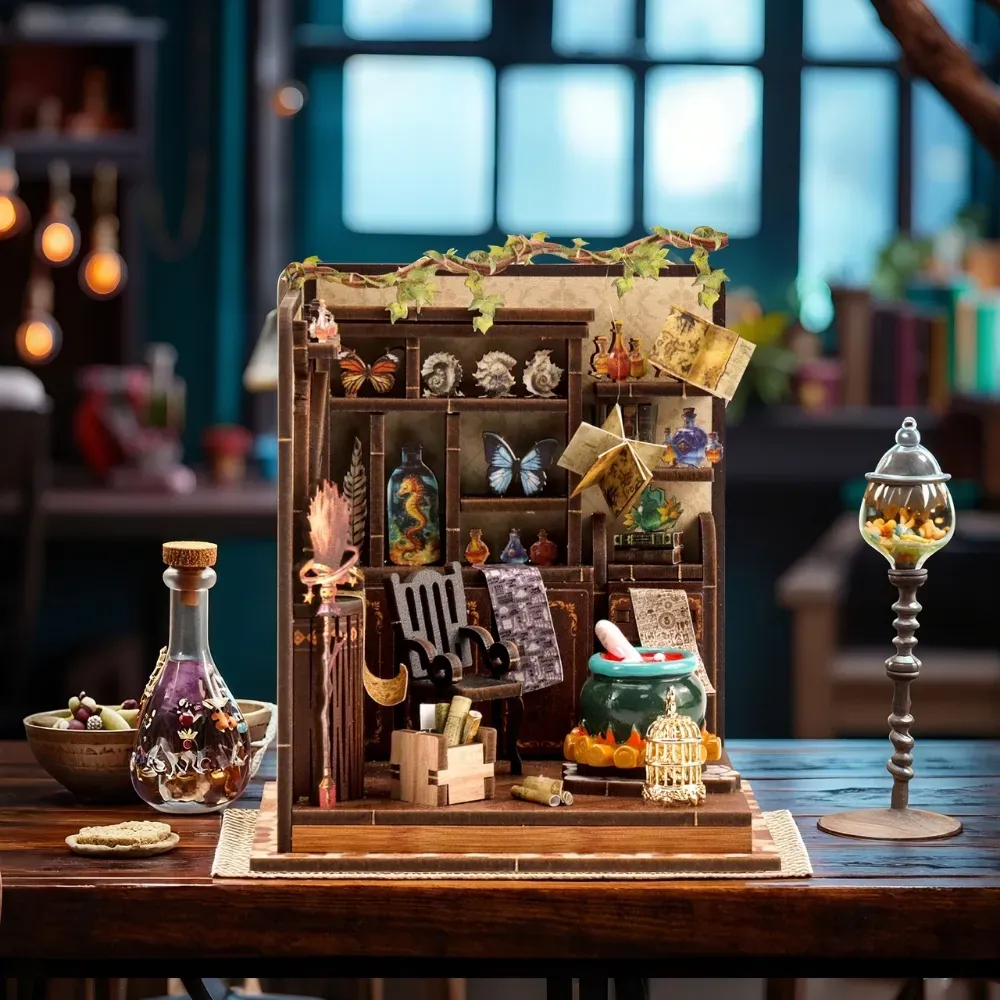
For example, the Hogsmoor Station DIY Book Nook Kit is an intermediate project with 316 pieces and an estimated assembly time of 6 to 8 hours. Its magical vintage railway setting provides plenty of details to discuss and assemble as a group.
Because it is a longer project, your family does not need to complete it in one evening. Divide the build into two or three sessions and treat each completed section as a small milestone.

Miniature Houses for Detail-Focused Builders
Miniature houses suit families who enjoy arranging rooms, working with small decorative details, and creating a scene with its own story. Different areas of the miniature can be assigned to different family members.
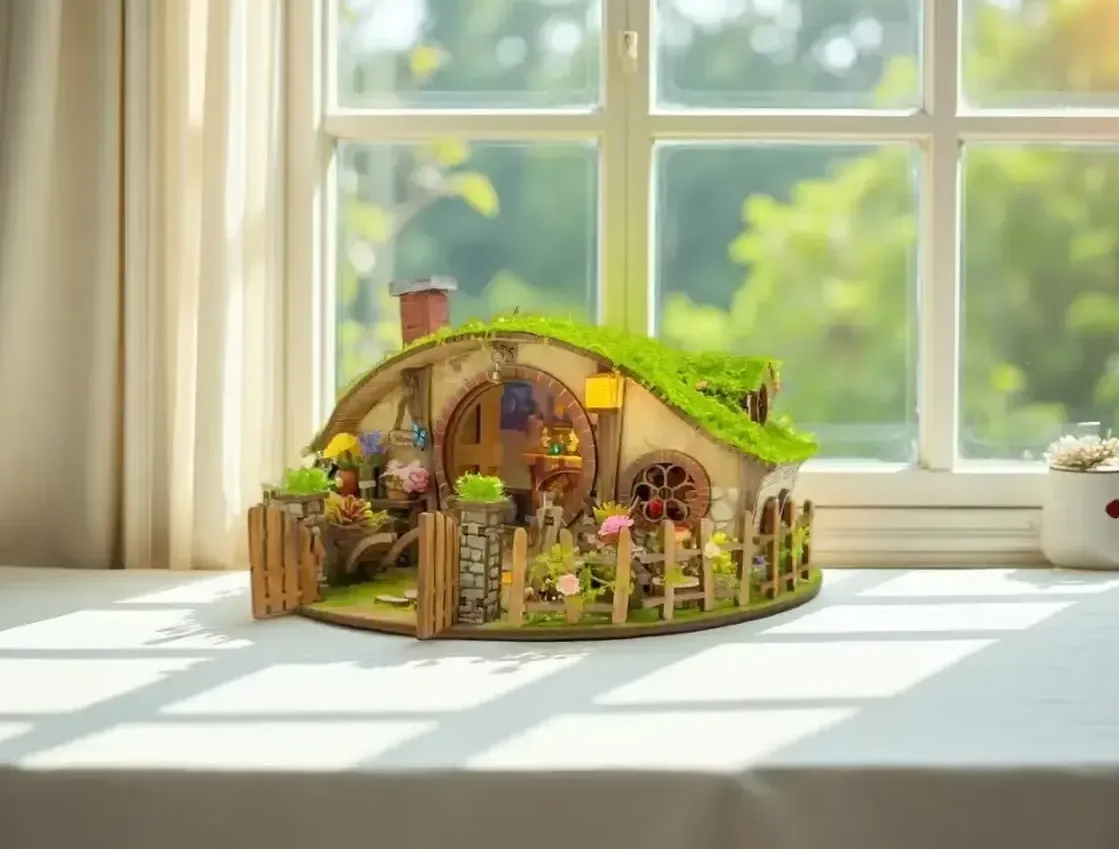
The Magic Ring Mini House Kit is an intermediate project with 200 pieces and an estimated building time of 5 to 7 hours. Its fairytale cottage setting can inspire conversations about who might live there and what story the finished scene should tell.
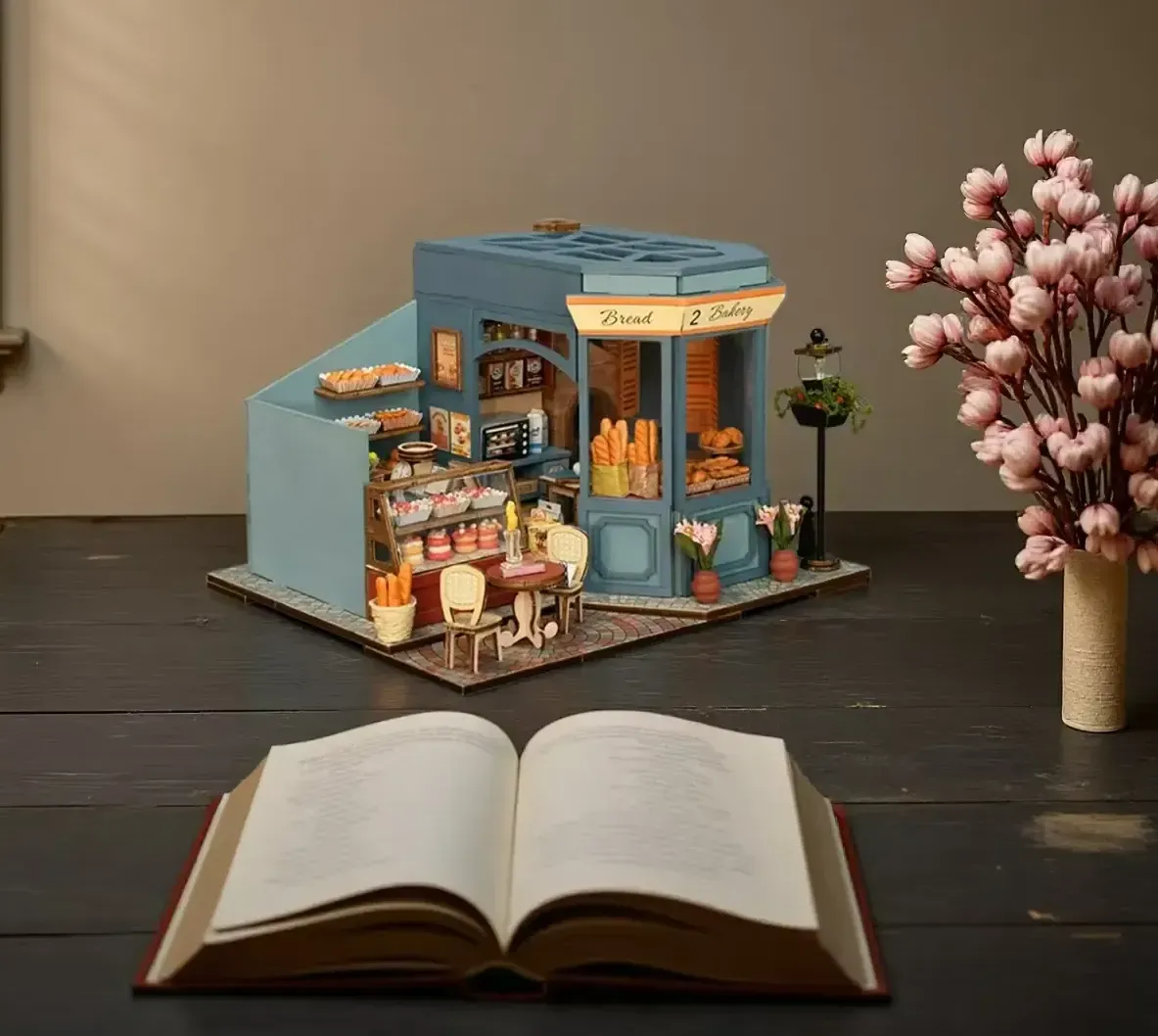
Families who prefer a realistic setting can consider the French Bakery DIY Miniature Kit. This intermediate kit also contains 200 pieces and has an estimated assembly time of 6 to 8 hours. Its storefront, café tables, and bakery displays provide several areas that family members can work on together.
A Beginner Project for a First Build Night
If this is your first family build night, starting with a beginner-level project may make the experience easier to manage. A beginner kit can help everyone learn how to organize pieces, read the instructions, and work through an assembly sequence before attempting a more complex model.
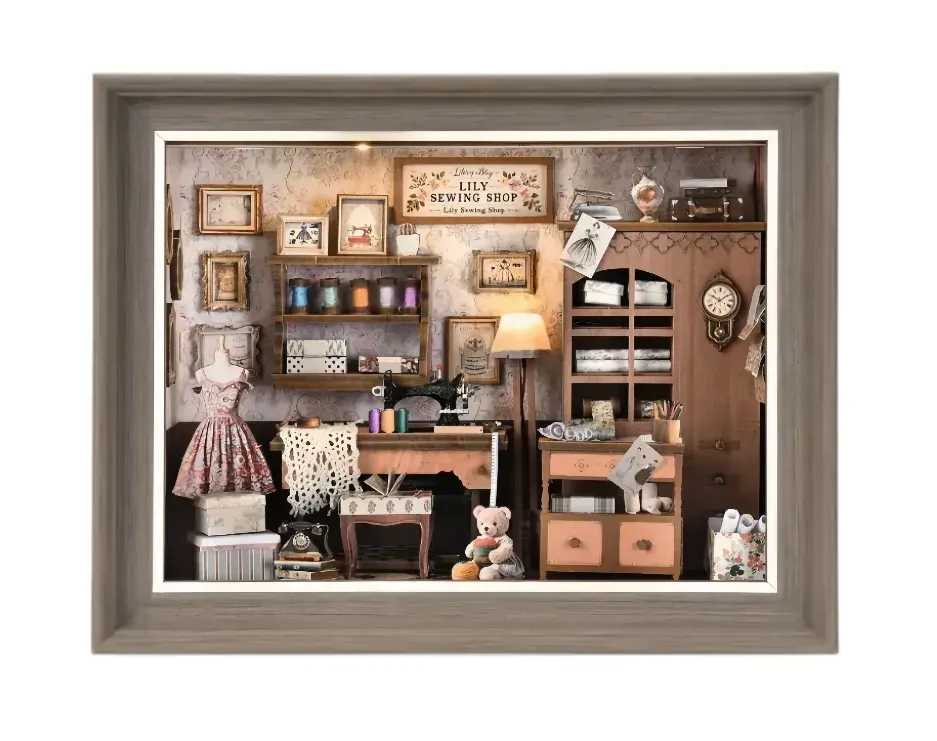
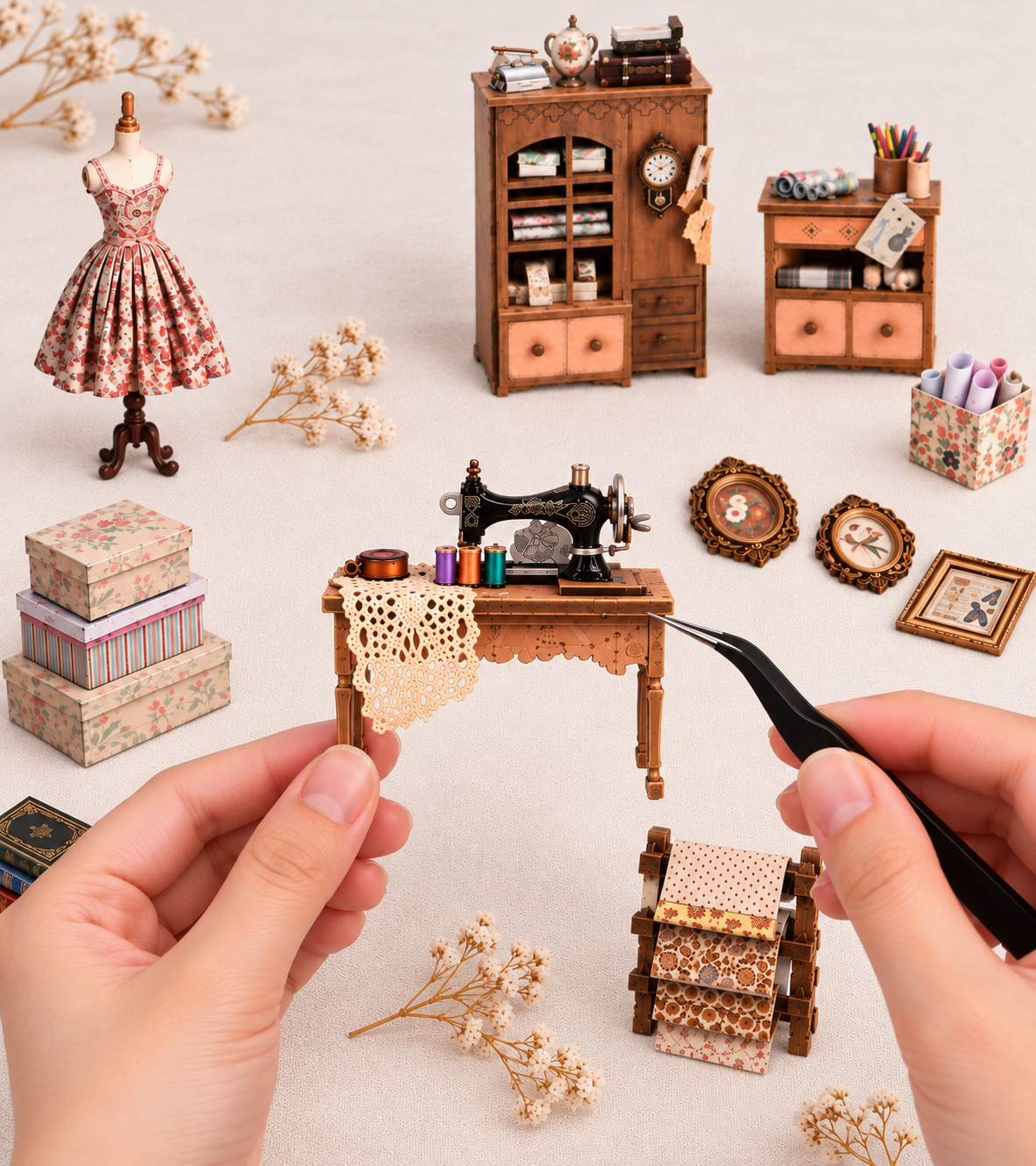
The Lily Sewing Shop Story Frame Kit is marked as a beginner project. It contains more than 150 pieces and has an estimated building time of 5 to 7 hours. Its frame-style format and detailed sewing-shop scene make it a possible starting point for a family with mixed levels of building experience.
Beginner does not mean that every step will suit every age. An adult should still review the instructions, handle delicate components when necessary, and help younger participants choose appropriate jobs.
Wooden Models and Mechanical Puzzles
If your family prefers moving parts and mechanical construction, browse the 3D mechanical wooden puzzle kits. These projects can appeal to builders who enjoy understanding how individual components fit together.
Check the difficulty and assembly requirements of the specific model before choosing it. A mechanical puzzle with small or delicate parts may be more suitable for older participants or a family group with previous building experience.

One Build, Many Roles: Give Everyone a Job
A shared project works best when each person has something meaningful to do. If one experienced builder controls every step, the evening can quickly become a demonstration instead of a family activity.
Assign roles at the beginning, then rotate them during the build so everyone can try different parts of the process.
The Instruction Reader
This person reads each step aloud, identifies the required pieces, and helps the group work in the correct order. The role is useful for someone who enjoys organization and careful checking.
The Piece Sorter
The sorter groups similar parts and prepares the pieces needed for the next step. This can be an accessible way for a younger helper to participate, provided the pieces are safe and the project is supervised.
The Main Builder
The main builder completes the central assembly step. Rotate this role regularly instead of allowing one person to complete the entire project.
The Detail Helper
This person helps with decorative decisions, positioning accessories or preparing small visual elements according to the instructions.
The Quality Checker
The checker compares the current build with the instruction images and looks for missing, reversed, or incorrectly positioned parts before the group continues.
The Workspace Keeper
This person keeps tools and unused pieces organized. A tidy workspace reduces the chance of losing small components and makes it easier to pause the project between sessions.
How to Plan a Screen-Free Family Build Night
A successful build night does not require an elaborate schedule. A little preparation can prevent interruptions and help the group spend more time building.
1. Choose the Project Before Build Night
Select the kit in advance and review its difficulty, estimated assembly time, and instructions. If the project requires several hours, decide whether your family will complete it over multiple evenings.
You can explore the family craft kits to build together and compare projects before choosing one that suits your available time and experience.
2. Prepare a Clear Workspace
Use a stable table with enough room for the instruction manual, project pieces, and tools. Place small components in separate containers so they do not roll away or become mixed together.
3. Set a Realistic Session Length
A family build night does not need to last until the entire project is finished. A focused session of 45 to 90 minutes may work better than trying to complete several hours of assembly at once.
Stop after reaching a clear stage in the instructions. Take a progress photograph and store the remaining pieces securely before the next session.
4. Put Unrelated Screens Away
Keep phones, television, and unrelated devices out of the activity area. If a device is needed for product instructions, reference photographs, or timing, designate one person to manage it and use it only for the project.
This keeps the evening focused while still allowing the family to access necessary building information.
5. Rotate Roles During the Build
Change responsibilities after each major step. Rotation prevents one person from dominating the project and gives everyone a chance to develop new skills.
6. Finish With a Family Signature
When the project is complete, add a small card underneath or behind the display with the date and the names of everyone who helped build it. This turns the finished model into a personal reminder of the time spent together.
Family Craft Night Ideas for Different Occasions
The same build-night format can be adjusted for an ordinary weekend, bad weather, a celebration or a family visit. The project changes, but the basic idea remains the same: choose one creation and give everyone a way to contribute.
A Rainy-Day Family Project
A detailed miniature or book nook can turn an indoor afternoon into a structured rainy-day family project. Prepare drinks and snacks before beginning, choose a comfortable building area, and divide a longer project into manageable stages.
This works particularly well when you need fun family activities at home that can hold attention for longer than a quick game or individual craft.
A Weekend Family Craft Night
Choose a Friday or Saturday evening when nobody needs to rush. Start with a short session, then decide as a group whether to continue or save the next stage for another weekend.
Among the many family craft night ideas available, a shared build has the advantage of producing one finished display connected to the whole family rather than several unrelated items.
A Birthday or Holiday Build
A DIY kit can become a shared activity during a birthday weekend, family holiday, or seasonal gathering. Instead of asking one person to assemble the project alone, invite the group to build it together.
For an occasion involving several experience levels, compare the beginner DIY kits before selecting the project. The final choice should reflect the abilities of the people completing the most delicate steps.
A Multi-Generational Activity
A family build night can include parents, children, grandparents, and visiting relatives when the roles are assigned thoughtfully. One person might read instructions, another might sort components, and a more confident builder might handle the detailed assembly.
Do not assume that every participant wants the same job. Ask what each person would enjoy doing, then rotate roles only when everyone feels comfortable.

How to Make the Build Enjoyable for Mixed Ages
Projects for mixed ages require realistic expectations. Younger participants may not be able to complete delicate assembly, while experienced adults may need to resist the temptation to take over.
Use these principles to keep the activity collaborative:
- Choose tasks according to ability rather than assigning identical work.
- Let younger helpers sort, count, or identify pieces when appropriate.
- Ask before correcting another person's work.
- Keep delicate components under adult supervision.
- Take short breaks if concentration begins to fade.
- Celebrate careful teamwork instead of building speed.
If the age or experience gap is significant, consider giving the younger participant a related creative task, such as naming the setting, describing the characters who might live there, or designing a story for the completed scene.
Turn One Build Night Into a Family Tradition
The first project can be the beginning of a simple family tradition. You might plan one build night each month, alternate who chooses the next project, or create a display shelf for everything the family completes.
Keep a small record with the project name, date, participants, and one memorable moment from the build. Over time, the collection becomes more than a group of models. It becomes a visible history of your creative family time.
You can also vary the type of project. After completing a book nook, try a miniature house, story frame, or mechanical wooden puzzle. Changing the project format keeps the tradition interesting while preserving the collaborative routine.
How to Plan a Screen-Free Family Build Night
A successful build night does not require an elaborate schedule. A little preparation can prevent interruptions and help the group spend more time building.
1. Choose the Project Before Build Night
Select the kit in advance and review its difficulty, estimated assembly time, and instructions. If the project requires several hours, decide whether your family will complete it over multiple evenings.
You can explore the family craft kits to build together and compare projects before choosing one that suits your available time and experience.
2. Prepare a Clear Workspace
Use a stable table with enough room for the instruction manual, project pieces, and tools. Place small components in separate containers so they do not roll away or become mixed together.
3. Set a Realistic Session Length
A family build night does not need to last until the entire project is finished. A focused session of 45 to 90 minutes may work better than trying to complete several hours of assembly at once.
Stop after reaching a clear stage in the instructions. Take a progress photograph and store the remaining pieces securely before the next session.
4. Put Unrelated Screens Away
Keep phones, television, and unrelated devices out of the activity area. If a device is needed for product instructions, reference photographs, or timing, designate one person to manage it and use it only for the project.
This keeps the evening focused while still allowing the family to access necessary building information.
5. Rotate Roles During the Build
Change responsibilities after each major step. Rotation prevents one person from dominating the project and gives everyone a chance to develop new skills.
6. Finish With a Family Signature
When the project is complete, add a small card underneath or behind the display with the date and the names of everyone who helped build it. This turns the finished model into a personal reminder of the time spent together.
Family Craft Night Ideas for Different Occasions
The same build-night format can be adjusted for an ordinary weekend, bad weather, a celebration or a family visit. The project changes, but the basic idea remains the same: choose one creation and give everyone a way to contribute.
A Rainy-Day Family Project
A detailed miniature or book nook can turn an indoor afternoon into a structured rainy-day family project. Prepare drinks and snacks before beginning, choose a comfortable building area, and divide a longer project into manageable stages.
This works particularly well when you need fun family activities at home that can hold attention for longer than a quick game or individual craft.
A Weekend Family Craft Night
Choose a Friday or Saturday evening when nobody needs to rush. Start with a short session, then decide as a group whether to continue or save the next stage for another weekend.
Among the many family craft night ideas available, a shared build has the advantage of producing one finished display connected to the whole family rather than several unrelated items.
A Birthday or Holiday Build
A DIY kit can become a shared activity during a birthday weekend, family holiday, or seasonal gathering. Instead of asking one person to assemble the project alone, invite the group to build it together.
For an occasion involving several experience levels, compare the beginner DIY kits before selecting the project. The final choice should reflect the abilities of the people completing the most delicate steps.
A Multi-Generational Activity
A family build night can include parents, children, grandparents, and visiting relatives when the roles are assigned thoughtfully. One person might read instructions, another might sort components, and a more confident builder might handle the detailed assembly.
Do not assume that every participant wants the same job. Ask what each person would enjoy doing, then rotate roles only when everyone feels comfortable.
How to Make the Build Enjoyable for Mixed Ages
Projects for mixed ages require realistic expectations. Younger participants may not be able to complete delicate assembly, while experienced adults may need to resist the temptation to take over.
Use these principles to keep the activity collaborative:
- Choose tasks according to ability rather than assigning identical work.
- Let younger helpers sort, count, or identify pieces when appropriate.
- Ask before correcting another person's work.
- Keep delicate components under adult supervision.
- Take short breaks if concentration begins to fade.
- Celebrate careful teamwork instead of building speed.
If the age or experience gap is significant, consider giving the younger participant a related creative task, such as naming the setting, describing the characters who might live there, or designing a story for the completed scene.
Turn One Build Night Into a Family Tradition
The first project can be the beginning of a simple family tradition. You might plan one build night each month, alternate who chooses the next project, or create a display shelf for everything the family completes.
Keep a small record with the project name, date, participants, and one memorable moment from the build. Over time, the collection becomes more than a group of models. It becomes a visible history of your creative family time.
You can also vary the type of project. After completing a book nook, try a miniature house, story frame, or mechanical wooden puzzle. Changing the project format keeps the tradition interesting while preserving the collaborative routine.
Choose a Project for Your Next Family Build Night
The best creative family bonding activities give everyone a reason to participate. A family build night combines conversation, cooperation, and hands-on creativity in one shared project.
Choose a kit that fits your family's available time and experience, prepare the workspace, and let each person take responsibility for part of the build. The result is not only a finished display. It is also a shared story about how it was created.
Explore DIY kits for your next family build night and find a project your family can create together.
Frequently Asked Questions
What is a family build night?
A family build night is a planned period when family members work together on one hands-on project. The project might be a book nook, miniature house, story frame, or wooden model. Each participant receives a role and contributes to the same finished creation.
What are some good creative family bonding activities at home?
Good creative family bonding activities include building a DIY kit, making a family scrapbook, completing a collaborative art project, cooking from a new recipe, or designing a shared display. Choose an activity that requires participation and decisions from more than one person.
How do I choose a project for different skill levels?
Review the product's difficulty, number of pieces, estimated building time, and type of assembly. Assign simpler organizational or decorative tasks to less experienced participants and reserve delicate construction for a confident builder or supervising adult.
Can several people work on one DIY kit?
Yes. Several people can share one kit when the work is divided into roles such as reading instructions, sorting pieces, assembling sections, checking progress, and managing the workspace. Some steps may need to be completed by one person at a time.
How long should a family craft night last?
Approximately 45 to 90 minutes is a practical starting point for many families. Longer projects can be divided across several sessions. Stop at a clear point in the instructions and store all remaining components together.
What are the benefits of screen-free family activities?
Screen-free family activities create time for direct conversation, shared decision-making, and hands-on participation. A collaborative project also gives family members a clear common goal and a finished item connected to the experience.
Can a family build project be completed over several evenings?
Yes. Longer projects are often easier to enjoy when divided into stages. Photograph the progress, mark the last completed instruction and store small pieces in labeled containers before the next building session.
Want more book nook ideas? Follow us for build guides, gift inspiration, and new kit drops on our Substack | WordPress | Medium | Tumblr | Ideal House | Linktree